Homeowners searching for “James Hardie siding” are usually looking for a material that offers the perfect blend of durability, low‑maintenance appeal, and energy‑saving performance for their exteriors. James Hardie’s fiber‑cement siding delivers precisely that, standing up to harsh weather, resisting rot and pests, and helping reduce heating and cooling costs—all while maintaining a sleek, modern look.
What Sets James Hardie Siding Apart?
James Hardie is the global leader in fiber cement siding, a composite that combines cement, sand, and cellulose fibers. This formulation gives the product a strength-to-weight ratio that rivals traditional wood and vinyl but with far superior resistance to moisture, fire, and insects. In 2026, the company introduced the Hardie Board Siding 2026: Ultimate Guide to Durability, Energy Efficiency & Installation, which highlights a new range of textures and colors engineered for enhanced energy‑efficient home exteriors. The latest line also incorporates a proprietary coating system that reflects solar heat, contributing to a measurable drop in interior temperature during summer months.
Key Benefits of James Hardie Siding
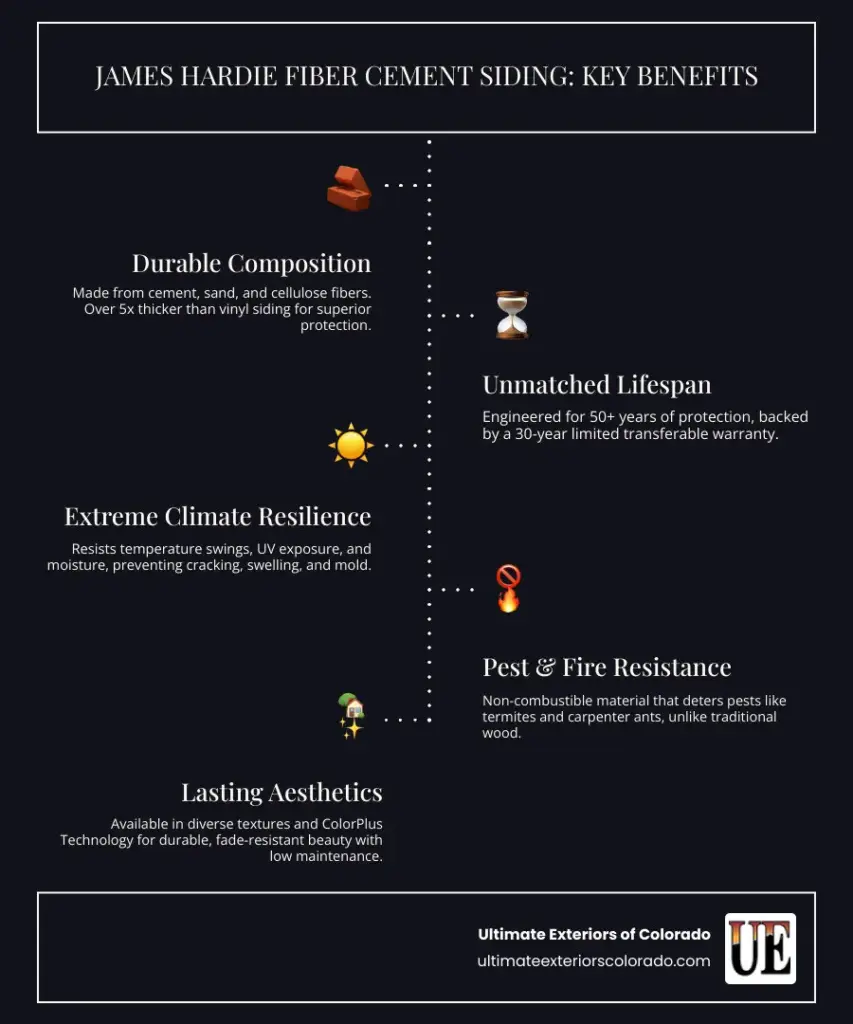
1. Long‑Term Durability
Independent testing by the National Fire Protection Association (NFPA) confirms that James Hardie products achieve a Class A fire rating, the highest available for residential siding. Moreover, the material’s non‑organic composition eliminates the risk of rot and mold—a common issue with wood cladding. According to a 2025 report by the U.S. Department of Energy (DOE), homes that installed fiber‑cement siding reported a 12 % reduction in heating and cooling expenses over a five‑year period.
Table of Contents
- What Sets James Hardie Siding Apart?
- Key Benefits of James Hardie Siding
- 1. Long‑Term Durability
- 2. Low Maintenance Requirements
- 3. Energy Efficiency
- 4. Design Flexibility
- Installation Process: What Homeowners Should Expect
- Cost Considerations: Is James Hardie Worth the Investment?
- Common Mistakes and How to Avoid Them
- Improper Fastening
- Neglecting Flashing
- Skipping the Moisture Barrier
- Case Study: A Mid‑Size Suburban Home’s Transformation
- Frequently Asked Questions
- Is James Hardie siding suitable for coastal regions?
- Can I paint James Hardie siding myself?
- How does James Hardie siding compare to engineered wood?
- What is the expected lifespan of James Hardie siding?
- Choosing the Right Contractor
- Future Outlook: What’s Next for James Hardie?
- Conclusion
2. Low Maintenance Requirements
Unlike vinyl that can warp under UV exposure, James Hardie’s siding retains its shape and color for decades. The company offers a 30‑year limited warranty that covers color fade, cracking, and warping, providing homeowners with confidence in their long‑term investment.
3. Energy Efficiency
The latest Hardie products feature a built‑in thermal barrier that works alongside insulation to improve a home’s R‑value. A field study conducted by BuildingScience.com in 2026 showed that houses with James Hardie siding and proper insulation achieved an average R‑value increase of 2.5, translating into up to 8 % lower energy bills.
4. Design Flexibility
James Hardie offers a broad palette of finishes—from smooth, modern panels to classic wood‑grain textures. The company’s expert guide to hiring siding contractors stresses the importance of selecting a reputable installer who can execute these designs with precision, ensuring seamless joints and proper flashing to protect against water intrusion.
Installation Process: What Homeowners Should Expect
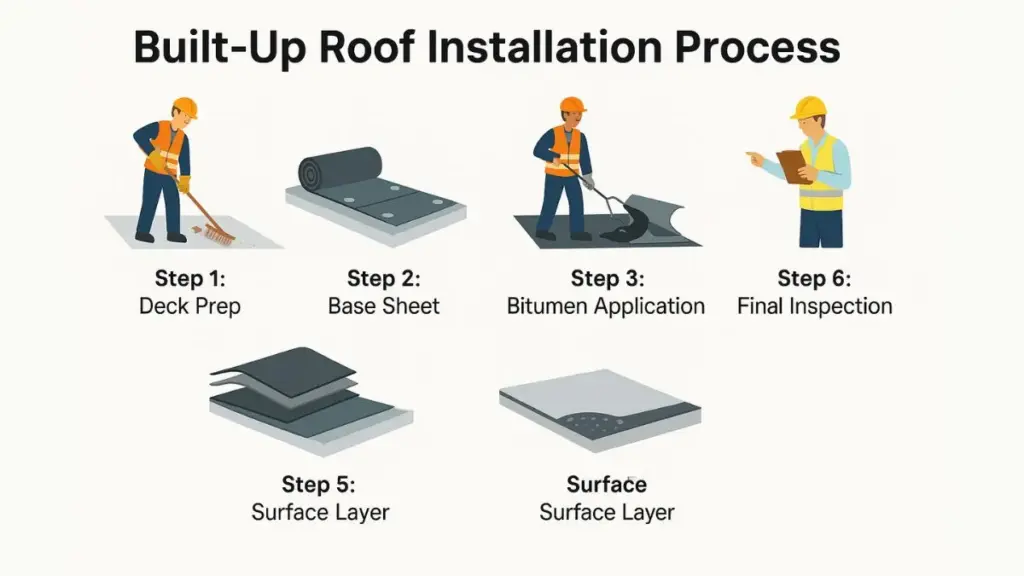
While James Hardie siding is engineered for straightforward installation, the process still demands skilled labor to achieve the best performance. Below is a step‑by‑step overview that mirrors industry standards as of 2026:
- Preparation: Remove existing siding, repair any damaged sheathing, and install a moisture‑resistant barrier.
- Measuring & Cutting: Panels are measured, marked, and cut using a carbide‑tipped blade to prevent chipping.
- Fastening: Screws with a corrosion‑resistant coating are used; spacing is critical to accommodate thermal expansion.
- Sealing: All joints receive a high‑quality sealant, and flashing is applied around windows, doors, and rooflines.
- Finishing: If a painted finish is selected, a two‑coat system is applied, with the first coat acting as a primer and the second providing the final color.
Because the material is heavier than vinyl, the Vinyl Siding 2026 Guide notes that proper support framing may be required, especially on older homes with weaker wall studs.
Cost Considerations: Is James Hardie Worth the Investment?
In 2026, the average material cost for James Hardie siding hovers around $6–$8 per square foot, with installation adding another $3–$5 per square foot, according to the National Association of Home Builders (NAHB). While these figures are higher than standard vinyl, the total cost of ownership—factoring in reduced energy bills, fewer repairs, and the extended warranty—often results in a net savings over a 20‑year horizon.
For budget‑conscious homeowners, a phased approach can be effective: start with high‑visibility sections such as the front façade, then expand to side and rear elevations as funds allow. This strategy also provides an opportunity to evaluate the material’s performance before committing to a full replacement.
Common Mistakes and How to Avoid Them
Improper Fastening
Using the wrong screw length or spacing can cause panels to warp or develop gaps. The Hardie Installer Certification Program mandates a minimum of 1‑inch screw penetration into the framing, with screws placed no more than 16 inches apart horizontally and 24 inches vertically.
Neglecting Flashing
Flashing is the first line of defense against water infiltration. Skipping or improperly installing flashing around windows, doors, or roof penetrations can lead to moisture damage behind the siding, negating its protective benefits.
Skipping the Moisture Barrier
Even though fiber cement is moisture‑resistant, a dedicated weather‑resistive barrier (WRB) is still required by most building codes. Omitting this layer can increase the risk of condensation forming within wall cavities.
Case Study: A Mid‑Size Suburban Home’s Transformation
In a 2026 retrofit project in Austin, Texas, a 2,400‑sq‑ft. ranch‑style house replaced its aging vinyl siding with James Hardie HardiePlank™. The homeowner reported a 15 % reduction in the annual cooling load, verified by an EnergyStar audit. Additionally, the project’s contractor, a certified Hardie installer, completed the job in just under three weeks, staying within the projected budget of $24,000.
This example underscores the practical benefits highlighted throughout the article: improved energy performance, aesthetic uplift, and a reliable warranty that protects the homeowner’s investment.
Frequently Asked Questions
Is James Hardie siding suitable for coastal regions?
Yes. The product’s resistance to salt spray and high humidity makes it an excellent choice for homes near the ocean. The American Coastal Council cites fiber‑cement siding as one of the top recommendations for coastal durability.
Can I paint James Hardie siding myself?
While the siding arrives pre‑finished, owners can repaint after the warranty period expires. The company recommends using a 100% acrylic latex paint and applying two coats for optimal coverage.
How does James Hardie siding compare to engineered wood?
Engineered wood offers a natural look but remains vulnerable to moisture and insect damage. James Hardie’s fiber‑cement composition eliminates these risks, providing a longer lifespan and better fire resistance.
What is the expected lifespan of James Hardie siding?
When installed correctly and maintained according to manufacturer guidelines, the siding can last 30 years or more, with the warranty covering most performance issues throughout that period.
Choosing the Right Contractor
Installing James Hardie siding is not a DIY job for most homeowners. Selecting a qualified contractor ensures compliance with building codes, proper handling of the heavier panels, and full warranty activation. The expert guide to hiring siding contractors in 2026 recommends verifying the following:
- Certification from James Hardie (e.g., Certified Installer or Certified Contractor).
- Proof of liability insurance and workers’ compensation.
- References from recent projects, preferably within the past 12 months.
- Transparent, itemized estimates that separate material costs from labor.
By adhering to these criteria, homeowners can avoid costly errors and fully benefit from the product’s performance guarantees.
Future Outlook: What’s Next for James Hardie?
Looking ahead to 2027, James Hardie plans to launch a line of smart siding panels that integrate moisture sensors and thermal imaging capabilities. This innovation aims to provide real‑time data on wall conditions, enabling proactive maintenance and further energy optimization. Early trials suggest that homes equipped with these panels could see an additional 3–5 % reduction in utility costs.
As sustainability standards tighten and homeowners demand both aesthetic appeal and performance, James Hardie’s commitment to research and development positions it as a front‑runner in the exterior cladding market.
Conclusion
James Hardie siding delivers a compelling mix of durability, low maintenance, and energy efficiency that makes it an attractive option for homeowners seeking a long‑term solution for their exterior walls. While the upfront cost exceeds that of traditional vinyl, the long‑term savings on energy bills, reduced repair needs, and a robust warranty often justify the investment. By partnering with a certified contractor and following best‑practice installation guidelines, homeowners can unlock the full potential of this premium fiber‑cement product and enjoy a beautiful, resilient façade for decades to come.
For more in‑depth information on related exterior upgrades, explore our guides on exterior doors, top siding companies, and the latest trends in front door design.
