Choosing the right siding for your house is the most effective way to boost curb appeal, improve energy efficiency, and protect the structure from harsh weather, all while keeping long‑term maintenance costs low. Modern homeowners demand a solution that blends durability, aesthetics, and cost‑effectiveness, and the market in 2026 offers a spectrum of options—from fiber‑cement panels to high‑performance vinyl—each engineered to meet specific climate and budget requirements. For a deeper dive into a leading product, see our James Hardie siding guide for 2026, which outlines durability, energy savings, and pricing.
Why Siding Matters: Core Benefits for Modern Homes
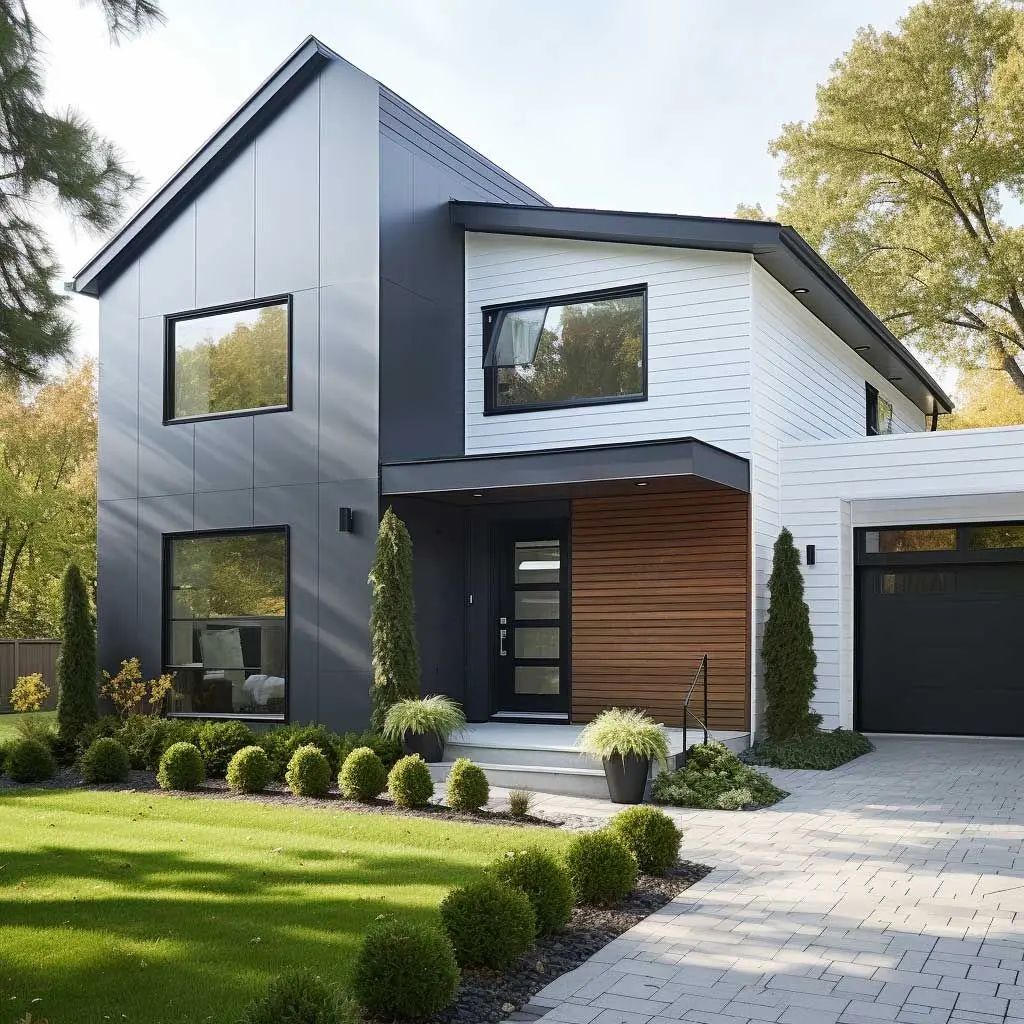
Siding is more than a decorative skin; it serves as the first line of defense against moisture, wind, and temperature fluctuations. In 2026, the National Association of Home Builders (NAHB) reported that homes with high‑quality siding experience up to 15% lower heating and cooling bills due to improved insulation and reduced air leakage. Additionally, reputable siding materials can increase resale value by 5‑10% according to a Zillow market analysis published in March 2026.
Energy‑Efficient Siding
- Integrated insulation backings (e.g., foam‑filled vinyl) can add R‑2 to R‑4 per inch.
- Reflective coatings on fiber‑cement panels reduce solar heat gain by up to 30% in hot climates.
- Seam‑locking systems minimize drafts, supporting ENERGY STAR certification for the whole envelope.
Weather‑Resistant Cladding
Materials such as fiber‑cement, engineered wood, and premium vinyl are engineered to resist rot, insect damage, and UV degradation. The 2025 Home Resilience Report from the Department of Housing and Urban Development (HUD) found that homes with weather‑resistant cladding suffered 40% fewer exterior repairs after severe storms compared to those with older wood lap siding.
Table of Contents
- Why Siding Matters: Core Benefits for Modern Homes
- Energy‑Efficient Siding
- Weather‑Resistant Cladding
- Popular Siding Materials in 2026
- Fiber‑Cement: The Gold Standard
- Vinyl: The Budget‑Friendly Champion
- Cost Considerations: What You’re Really Paying For
- Hidden Expenses to Watch
- Step‑by‑Step Guide to Installing Siding on Your House
- Common Mistakes Homeowners Make
- Real‑World Case Study: A Mid‑Size Suburban Home
- Frequently Asked Questions
- What is the best siding for extreme weather?
- Can siding improve my home’s resale value?
- Is insulated vinyl worth the extra cost?
- How often should siding be inspected?
- Future Trends: What to Expect in Siding Technology
- Eco‑Friendly Advances
- Final Takeaway
Popular Siding Materials in 2026
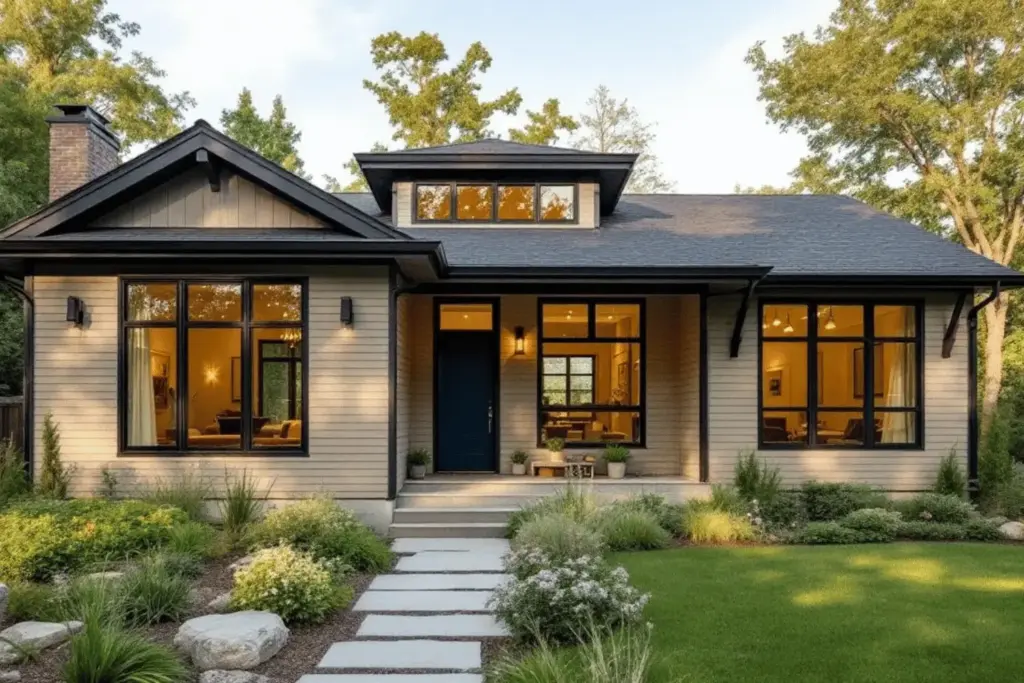
Below is a quick comparison of the most common siding types on the market today, highlighting their strengths, drawbacks, and typical installation costs per square foot.
| Material | Durability | Energy Efficiency | Maintenance | Cost (USD/sq ft) |
|---|---|---|---|---|
| Fiber‑Cement (e.g., James Hardie) | 30‑50 years | High (insulated cores available) | Low‑moderate | $5‑$7 |
| Vinyl (Premium, insulated) | 20‑30 years | Moderate‑high | Very low | $3‑$5 |
| Engineered Wood | 15‑25 years | Moderate | Medium (needs repaint) | $4‑$6 |
| Metal (Aluminum/Steel) | 40‑60 years | Low‑moderate | Very low | $6‑$9 |
| Brick Veneer | 50‑100 years | Low (thermal mass only) | Low | $8‑$12 |
Fiber‑Cement: The Gold Standard
Fiber‑cement siding, especially the James Hardie line, continues to dominate the high‑end market because it offers the look of wood without the susceptibility to rot or pests. According to a 2026 consumer survey by HomeAdvisor, 78% of homeowners who chose fiber‑cement rated it as “exceeds expectations” for durability and aesthetics.
Vinyl: The Budget‑Friendly Champion
Modern vinyl has evolved dramatically. Today’s insulated vinyl panels incorporate a foam core that improves R‑value and reduces thermal bridging. For a comprehensive look at vinyl’s durability and installation tricks, check the Vinyl Siding 2026 Guide.
Cost Considerations: What You’re Really Paying For
When budgeting for siding, differentiate between material cost, labor, and ancillary expenses such as removal of old siding, weather barriers, and trim work. The Expert Guide to Hiring Siding Contractors in 2026 notes that the average siding installation cost ranges from $4,500 to $12,000 for a typical 2,000‑sq‑ft home, with labor representing roughly 40‑55% of the total.
Hidden Expenses to Watch
- Removal and disposal: $1‑$2 per sq ft if old siding must be stripped.
- Moisture barrier installation: Essential for preventing mold; adds $0.30‑$0.60 per sq ft.
- Trim and flashing: Custom profiles can increase material costs by 10‑15%.
- Permits: Some municipalities require a permit for exterior modifications; fees vary $100‑$500.
Step‑by‑Step Guide to Installing Siding on Your House
Even if you ultimately hire professionals, understanding the process helps you ask the right questions and monitor quality.
- Assessment & Planning: Conduct a thorough inspection of the existing exterior, noting any rot, water damage, or structural issues. Use a moisture meter (≥ 10% reading indicates problem areas).
- Select Material & Order: Choose based on climate, budget, and aesthetic goals. Verify that the product carries an NSF/ANSI rating for fire resistance if required in your area.
- Prep the Surface: Remove old siding, repair sheathing, and install a weather‑resistant barrier (WRB) such as Tyvek® or a liquid‑applied membrane.
- Install Starter Trim: Anchor the first row of siding to ensure a level baseline; use corrosion‑resistant fasteners (e.g., stainless steel).
- Apply Siding Panels: Follow manufacturer‑specified nail spacing (typically 16 inches on center) and stagger seams to improve wind resistance.
- Seal & Flash: Apply sealant around windows, doors, and corners; install flashing to direct water away.
- Finishing Touches: Attach corner boards, trim, and soffits. Paint or finish if the material requires coating (e.g., fiber‑cement).
- Final Inspection: Verify alignment, fastener depth, and that all seams are sealed. Request a warranty document covering both material and workmanship.
Common Mistakes Homeowners Make
Even experienced DIYers can stumble. Avoid these pitfalls to protect your investment.
- Skipping the WRB: Without a proper moisture barrier, water can infiltrate the wall cavity, leading to mold growth.
- Improper Fastening: Over‑driving nails can damage the siding, while under‑driving creates gaps for wind infiltration.
- Neglecting Expansion Gaps: Siding expands and contracts; failing to leave the recommended ¼‑inch gap can cause buckling.
- Choosing the Wrong Profile for Climate: Flat panels perform poorly in high‑wind zones; consider a clapboard or Dutch lap profile for added resistance.
Real‑World Case Study: A Mid‑Size Suburban Home
In June 2026, a 2,200‑sq‑ft ranch in Austin, Texas, replaced its aging wood lap siding with insulated fiber‑cement. The homeowner worked with a certified contractor found through our Top 10 Siding Companies Near Me in 2026 list. Key outcomes:
- Energy bills dropped by 18% during the first cooling season.
- The project stayed within a $9,800 budget, 5% under the original estimate.
- No repainting needed after three years, confirming the low‑maintenance claim.
The success highlights how an informed material choice paired with a qualified installer can deliver measurable savings and peace of mind.
Frequently Asked Questions
What is the best siding for extreme weather?
Fiber‑cement and metal siding are top choices for high wind or hail zones due to their impact resistance and minimal moisture absorption.
Can siding improve my home’s resale value?
Yes. The National Real Estate Survey 2026 shows that homes with recent siding upgrades sell 6% faster and command a premium of $7,500–$12,000 on average.
Is insulated vinyl worth the extra cost?
For homeowners in regions with large temperature swings, insulated vinyl can reduce HVAC demand by up to 12%, often recouping the additional $0.50‑$1.00 per sq ft within 5‑7 years.
How often should siding be inspected?
A visual inspection twice a year—once in spring and once in fall—helps catch early signs of water intrusion, warping, or sealant failure.
Future Trends: What to Expect in Siding Technology
Manufacturers are investing heavily in smart‑siding systems that integrate sensors to monitor moisture, temperature, and structural strain. By 2027, it is projected that at least 12% of new residential builds will feature such “connected cladding,” according to the Building Innovation Institute.
Eco‑Friendly Advances
Recycled-content vinyl and bio‑based fiber‑cement blends are gaining market share. The EPA’s 2026 Green Building Report estimates a 7% reduction in embodied carbon for homes using these materials compared with traditional options.
Final Takeaway
Choosing the right siding for your house involves balancing durability, energy efficiency, aesthetic preferences, and budget. By understanding material properties, factoring in installation costs, and partnering with qualified contractors, you can protect your investment for decades while enjoying lower utility bills and enhanced curb appeal. Stay informed, compare options, and consider long‑term performance over short‑term savings to make the smartest exterior home improvement decision.
